Wednesday, May 27, 2015

05.17

Astral Weeks (Van Morrison, 1968)

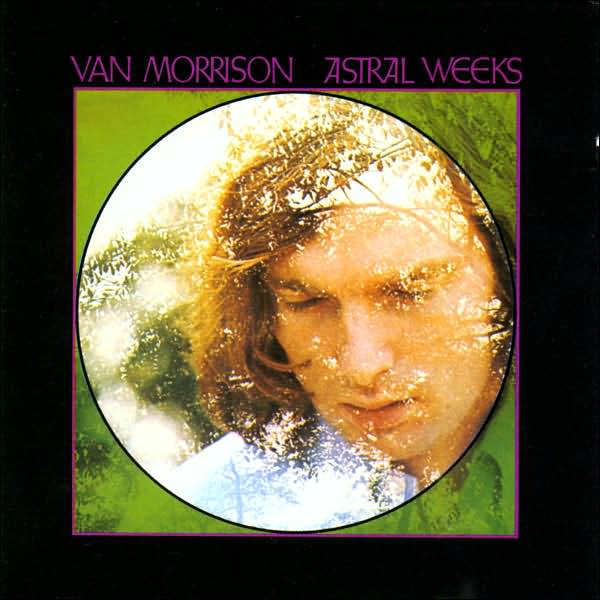
In evaluating this I did my best to overlook the fact that Van Morrison is in serious contention for Most Annoying Voice of All Time but I may have been overconfident in my ability to get over it.  I do think he does a great job integrating his voice into the gorgeous textured instrumentation but I also don't find his lyrics to be as hypnotic or evocative or whichever of the endless string of adjectives that seem to be thrown at this album as their reputation.  I kinda sorta understand its acclaim, especially in light of the time it was produced, but I don't see even a far off day when it'll be something I particularly enjoy.

05.13

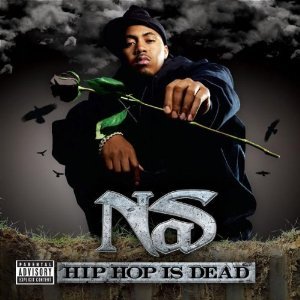
Hip Hop Is Dead (Nas, 2006)

Basically the same tired mission statement as Disposable Arts but significantly more dynamic and ambiguous in its approach, and for that reason alone a more engaging album, not to mention better beats and the fact that Nas is obviously a better-rounded and just better MC.  Some duller moments, but when it's on it's on and some of the individual tracks are killer (Money Over Bullshit, Black Republican, Not Going Back).

05.11

Disposable Arts (Masta Ace, 2001)

It seems tough to make a concept album with a lot of replay value, and despite more or less liking this it definitely went on the back burner the moment it was over.  It's also very tough to make an album bemoaning the state of hiphop that doesn't just seem obnoxious, and I'm not sure this is a roaring success in terms of overcoming that obstacle.  Masta Ace is a great battle rapper (I enjoyed his diss track here by far the most), but he doesn't have a knack for building a world in a novel or interesting way.  There is a moment in the skit where Ace meets his presumably white suburban roommate at the Institute of Disposable Arts who's freestyling about being funkier than a 2-year-old yoga mat that killed me and 15 years later still seems to hit the nail on the head about a subset of the hip hop scene I may unwittingly belong to.

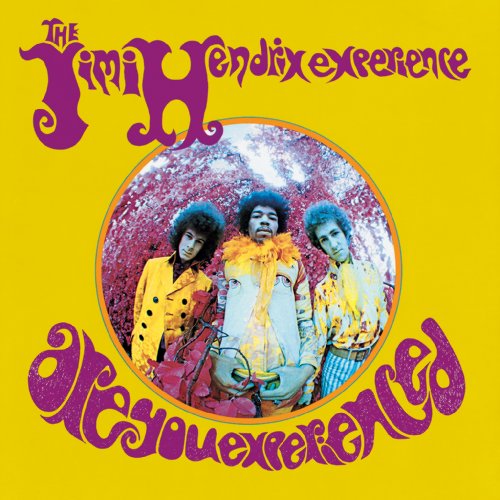
Are You Experienced (The Jimi Hendrix Experience, 1967)

I downloaded this in .flac format which ironically prevents me from burning a CD and listening to it on the decent sound system in my car; suffice it to say I've never been more embarrassed to listen to something on my shitty low-end-eliminating earbuds.  That OG electric guitar aesthetic that Hendrix operates within was not my sonic wheelhouse growing up, much to my dad's chagrin, and it's still a bit of a hurdle for me, but not enough to not appreciate Hendrix's striving to push that aesthetic to its limit in every given direction.  I expected a lot of great technical playing and shredding and stuff, but not such an incredible stylistic variety, nor such apt songwriting.  And aside from Hendrix himself I should shout out the drummer, pretty ferocious.  I do regret not stopping after the original (?) 11 tracks, as solid as the following songs are they detract from a perfectly concise and complete album.  Look forward to giving it another shot on more deserving equipment.

The Terrorizers (Edward Yang, 1986)

I've heard Gravity's Rainbow called the ultimate postmodern novel and I've heard this called the ultimate postmodern film, and I think by any definition Pynchon's work is more deserving of the title, but for what in many ways is a small film it leaves a huge enough afterglow to deserve major inclusion in some pantheon.  I read an IMDb review positing interconnectedness and disconnectedness as analogous to yin and yang as the driving forces in the movie; I'm not sure I agree or know enough about yin and yang to agree, but those opposing themes do seem omnipresent throughout, albeit at different metafictional (or in the universe of the film, metaphysical) levels: the characters each in their own ways struggle with deep-seated societal and interpersonal disconnect, but at the 2nd order they're continually brought into contact with one another through complex strings of events that I guess can't be called coincidence in something so self-aware.  But it's a lot more than an intellectually stimulating version of Babel or whatever, and I'm sure there are myriad approaches you could take to dissect it's meaning.  Not my favorite movie or anything but one I enjoy thinking about more than most movies I like better.

Tuesday, May 12, 2015

05.09

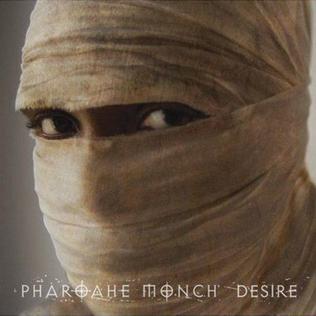
Desire (Pharaohe Monch, 2007)

Whoa, I hadn't realized what a precedent had been set for the aesthetic of To Pimp a Butterfly; I wonder if any other hip-hop albums with live instrumentals sound so similar, or maybe it has a lot to do with the overlapping subject matter.  In any case, Kendrick put together a hell of a better album, everything about this feels played out and washed up.  It's a shame, I love his earlier work; I guess that much time out of the game just turned Monch's ass stale.


Primary Colours (The Horrors, 2009)

Recommended to me by my boy Wilson at the coffee shop down the street, and damn he was right.  This is so far out of my wheelhouse that I don't have the kind of precedent metric for criticism I have with rap for instance but it's absolutely gorgeous music.

05.07

Heist of the Century (La the Darkman, 1998)

Is it me or is this a pretty damn creepy album cover?  Anyhow a lot of run of the mill Wu Tang stuff delivered in La's not quite in the pocket flow.  Solid beats, solid lyrics, but nothing other than solid, and other than a couple tracks not worth multiple listens.  I love this tidbit of wisdom on La's Wikipedia page: "Rapper/actor Drake has called Jackson one of the 'Hottest MCs in the Game' although he was really talking about La the Darkman's brother, Willie the Kid."

05.05

The Big Picture (Big L, 2000)

It's been way too long since I got this excited about a rap album.  L's style and content are definitely limited but he keeps the songs tight enough, the beats strong enough, and the features frequent and hot enough that it rarely doesn't feel fresh; and in terms of what he's limited to it's hard to imagine anyone doing it better.  Untouchable flow, killer wordplay, a hell of a freestyle, two great narratives (so good that it doesn't even seem played out when he repeats one of them over a new beat, and I don't usually care for non bonus track remixes).  And he really has a knack for engulfing you in his style and mindframe.  Like I said almost all the features are noteworthy but Big Daddy Kane's especially is one of the highlights of his career ("and cats still wonder can they get as hot as he been / it probably depends, let me show ya how to begin...").

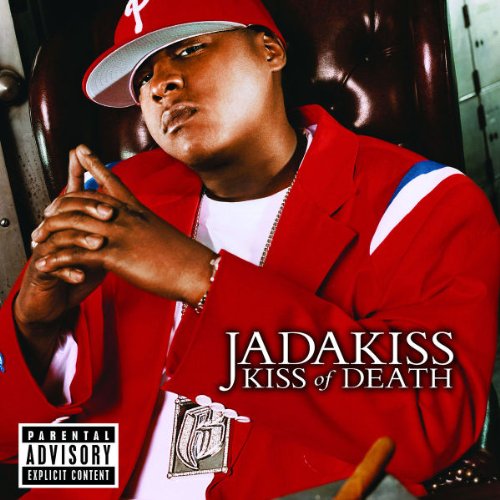
Kiss of Death (Jadakiss, 2004)

For a fairly long album it goes by quickly without too many weak spots, but it's in the unfortunate position of constantly verging on something much greater than it is.  I'm not sure if it's a lack of ambition or a lack of follow-through that makes this feel kind of lackluster, but the resulting album isn't anything to complain about.  I really wish he'd done more in the vein of Why ("why Halle have to let a white man pop her to win an Oscar? / and why Denzel have to be crooked before he took it?").


Assassination (Shinoda Masahiro, 1964)

Starts off as a Citizen Kane-esque portrait of a megalomaniac, then transitions into kind of an end of the shogunate Game of Thrones, and ultimately I think comes to rest as an examination of the ways we adapt and fail to adapt to a changing society.  I was so taken with Pale Flower I watched this the next day, and everything that impressed me about Shinoda there was at least as impressive here.  As with a lot of samurai movies, especially set in this period, I think I'd have a much better grasp on the details of the plot if I was more familiar with the background events the film expects you to be familiar with, but the occasional disorientation did nothing to lessen my enjoyment.  Kiyokawa is a fascinating protagonist, but Shinoda has a bigger story in mind than one man's journey.  *SPOILERS* The only disappointment is that Kiyokawa isn't ultimately killed by a Western gun, rendering his skills irrelevant, but I'll try not to let my personal idea of appropriate catharsis interfere with my enjoyment.
Monday, May 11, 2015

05.04

The American Soldier (Rainer Werner Fassbinder, 1970)

I think it's more or less exactly what you'd have to expect from a Fassbinder noir, and though it's not as strong as Love Is Colder Than Death, it's powerful in its reflective moments.  The theme song embodies the Fassbinder facet of so bad it's good.


Pale Flower (Shinoda Masahiro, 1964)

Gambling is not among the vices that appeal to me, but I'm drawn toward stories about gambling because they usually revolve around the themes of ennui and addiction, both of which I can certainly relate to.  This maybe doesn't have any revelations about those themes, but in terms of drowning you in their atmosphere it's about as good as it gets.  Magnificently directed and photographed, and at least for me deeply resonant.

The Mission (Johnnie To, 1999)

Not quite one of my favorite triad movies, but by the second half I definitely understood its reputation.  Some of the best directed action scenes on film (not that it's my area of expertise).  At first I felt like the gangster ennui stuff had been handled better in Sonatine, but I think this is actually just less overt, more playful and elliptical.  Interesting plot structure, sweet ending.  Speaking of theme songs, I can't remember the last time I heard one that matched its movie so well.

Tuesday, May 5, 2015

05.03

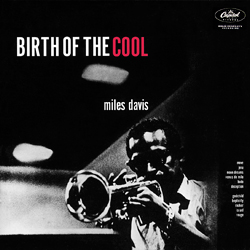
Birth of the Cool (Miles Davis, 1957)

I couldn't tell you what cool jazz is, but this definitely feels like the quintessential something.  Of course it's not up my alley as much as his more experimental stuff, but I certainly liked it, and it served as a good reminder of how little I actually understand jazz and how much I still need to learn about its history.

05.02

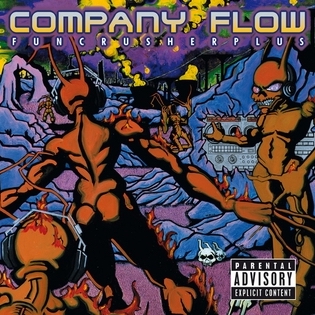
Funcrusher Plus (Company Flow, 1997)

Pretty appropriate cover art, my feelings towards it are pretty much exactly the same as my feelings toward the album.  El-P has some nice dense production but it doesn't particularly appeal to my aesthetic, and the lyrics...I just don't get why all underground rap has to be the same uninspired battle rap stuff.  A song or two might be charming but 80 minutes of the same played out tropes teeters towards the unbearable.

Monday, May 4, 2015

05.01

Foreign Correspondent (Alfred Hitchcock, 1940)

Directing and set design are top-hat, some impressive tension-building, even by Hitchcock's standards.  I'm glad he moved past it but there's some unique charm to his early work that he never fully replicated.  Good script here too, though the second half is much less exciting.  Everything about the windmill sequence is perfect.


Super Tight (UGK, 1995)

I don't know what it is about UGK: I get so excited when I hear individual songs but I get bored so quickly listening to their albums.  Maybe they're just not good music for the car.  I think I liked this a little less than Ridin' Dirty but I don't remember much of either of them.


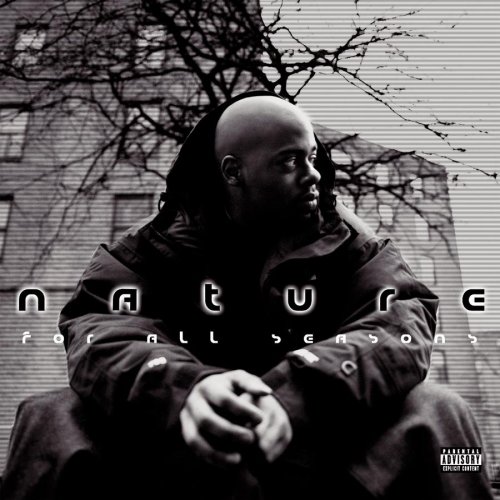
For All Seasons (Nature, 2000)

Much like his Firm predecessor Cormega, I had huge hopes based on his guest verses, but his solo album is awful.  I think the biggest problem is the beats, but even if they didn't all suck I can hardly imagine less inspired rapping.

04.30

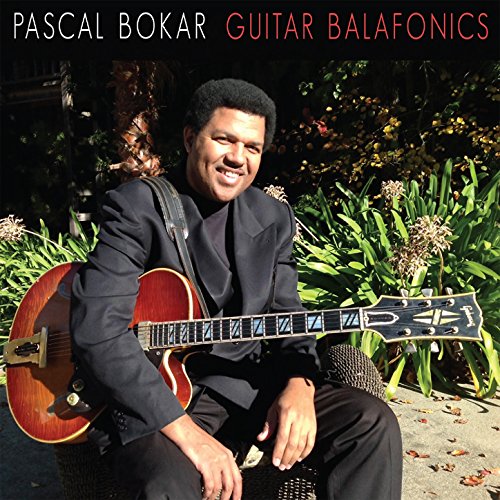
Guitar Balafonics (Pascal Bokar, 2014)

This guy tends bar and sometimes performs at a jazz club I go to a lot (and is apparently also a professor at USF).  Anyhow this was on sale at the bar and I picked it up.  It doesn't have a lot of evolution as an album but it's a lush take on a collection of standards and I love the way Bokar uses the guitar.


Cure (Kurosawa Kiyoshi, 1997)

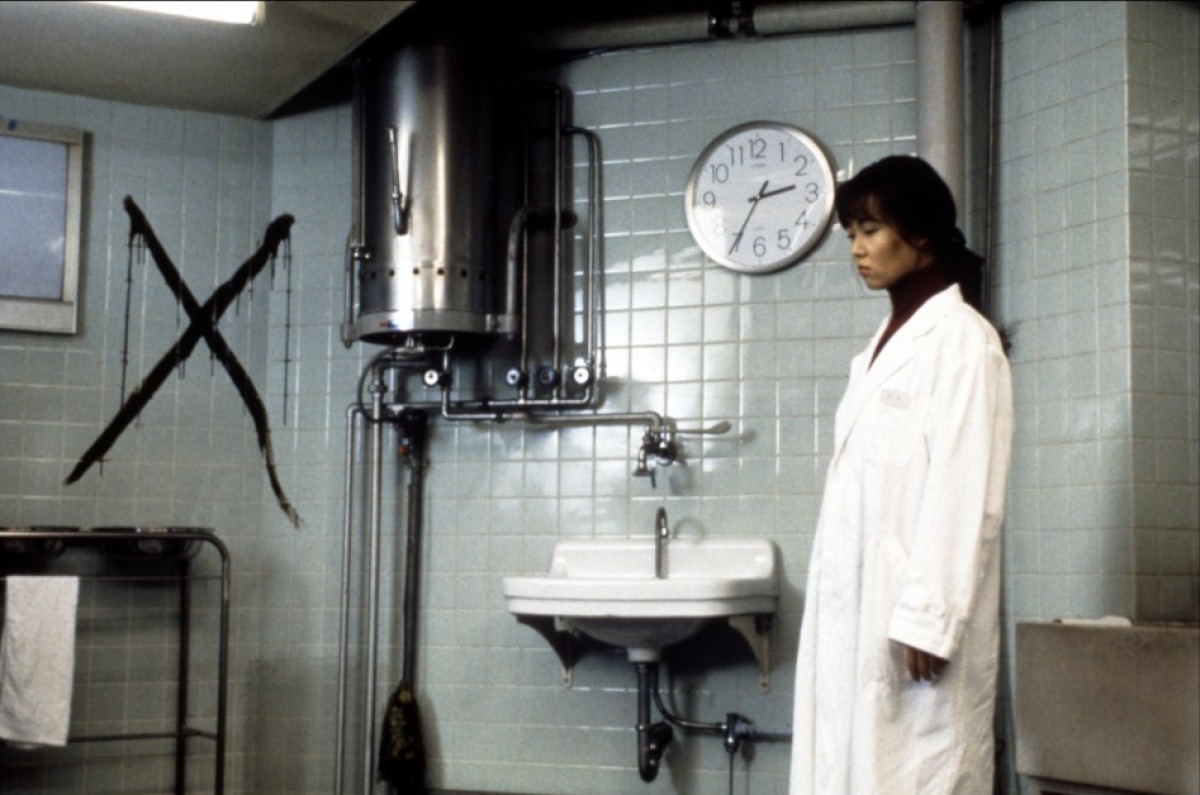
My first K Kurosawa, and damn, exceeded expectations, and reminded me I need to start watching more thrillers again.  Masterfully executed; as it got closer to the end I was nervous it wouldn't resolve itself in a satisfying or meaningful way, but I think it does just about what it should have.