The Seventh Victim (Mark Robson, 1943)
Oh boy. One word that keeps recurring in reviews of this and most Lewton films is "moody," and it is moody, but you really have to be willing to go along with the crappy B-movie aesthetic to get caught up in that mood. There is a lot of really cool stuff here, intricate character relationships, meditations on depression and evil, and one of the darkest endings I've seen in an old Hollywood film. But like my friend said about Cat People it really does feel like a high schooler's first screenplay, I think largely due to time constraints. It might be that I wasn't in the right mind frame or that Robson, even with Musuraca on board, is no Tourneur, but I had trouble getting into this one. I like it more in retrospect though, might be a grower.
Yellow Sky (William Wellman, 1948)
Given the locations and scenario I could hardly fail to like it. Something bugs me about Wellman though; the least I can say is he doesn't lend this the lyricism and atmosphere it deserves and could easily have evoked in more capable hands. And this is probably the fault of the screenwriter though it's a similar problem to The Ox-Bow Incident: the central situation could and should be ripe with dread and moral ambiguity, but instead it quickly sorts itself into black and white morality and resolves smoothly with only one likable character getting the ax (in fairness I expected that one to see it through to the end). I might feel less strongly if my man Richard Widmark hadn't been relegated to the role of one-dimensional villain rather than a complex character. It's still a good movie but one that sacrifices a good deal of potential insight for pleasantry.
Saturday, July 4, 2015
07.02
The Tin Star (Anthony Mann, 1957)
Kind of a less ambitious and ambiguous but no less warm Man Who Shot Liberty Valance. Surprisingly warm, in fact, given the content of Mann's other Westerns. Still very much Mann though, unlevel shootout and all. Anthony Perkins is perfectly cast as the tinhorn with the tin star, and Fonda is good as ever as his mentor. Leaves less of an impression than Mann's darker tales but it's quite fun.
Thursday, July 2, 2015
07.01
Mista Thug Isolation (Lil Ugly Mane, 2011)
Beats are pretty impressive, rapping is sometimes amusing, I'm just not someone who can listen to this style of music for an extended period of time, and this feels hella extended.
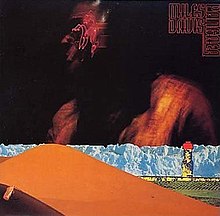
Pangaea (Miles Davis, 1976)
Love the energy of Disc 1, due largely to Al Foster's drumming, but I think it climaxes too early and never really reestablishes its momentum. The flute's a nice addition to Disc 2 but while I enjoyed its grooves it didn't seem to go anywhere. Not a bad double LP at all, but not the monument I've come to expect from late-period Davis either.
06.30
The Big Knife (Robert Aldrich, 1955) (theatrical)
I started this a couple of years ago and was really into the over-the-top screenplay and single-location shooting. This time, despite seeing it projected on film (damn it'd been too long), the histrionics started grating on my nerves after awhile, though I still think Aldrich does a commendable job with his condensed space (to echo my comments on Road House, it's no Ray but...). Rod Steiger's exchanges with Palance stand out from a lot of great actors working with kind of a baffling script, perhaps because those two feel like they're in on a joke no one else fully grasps. Not bad all in all if a bit tiresome.
Nobody Lives Forever (Jean Negulesco, 1946)
Amidst a lot of nice pondering about the nature of age and money what makes this movie stand out as something special is the chemistry between Garfield and Fitzgerald, who have to be one of my favorite pairings in noir. Their scene at the mission transcends the emotionality of Hollywood genre conventions. Cool to see Brennan in a noir aside from To Have and Have Not, even if it's the same role he plays in every Western he's in. The finale I guess takes place in old oil-derrick-ridden Venice Beach; if not it's either another part of LA that's not there anymore or one I'm not familiar with (like the inside of a sound studio?). Other than the location and photography the ending's not too impressive; George Coulouris' villain never feels like much of a threat and it turns out he's not.
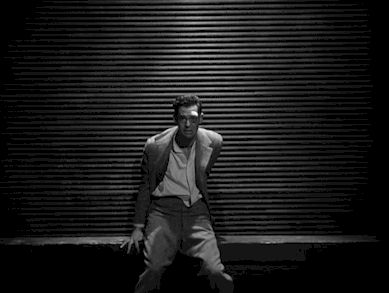
They Won't Believe Me (Irving Pichel, 1947)
Undoubtedly the high point thus far of my most recent session of noir spelunking. Aside from some banging desert locales and no less than three even more banging femme fatales we have a very odd character performed very oddly by Robert Young and the darkest string of coincidences this side of Detour. Capped off by an ending I totally didn't see coming despite seeing The Big Knife earlier that day. Young's character I think is supposed to be a likable rogue, but he's so conniving and Young's performance so taciturn he often comes off as more of a sociopath, lending an element of ambiguity to Young's voiceover testimony. And yet many of his actions seem to come from genuine moral instinct. Ditto for much of his supporting cast. It could come off as sloppy writing but everyone involved plays it so convincingly it ends up being one of my favorite merry-go-rounds of flawed but lovable noir characters.
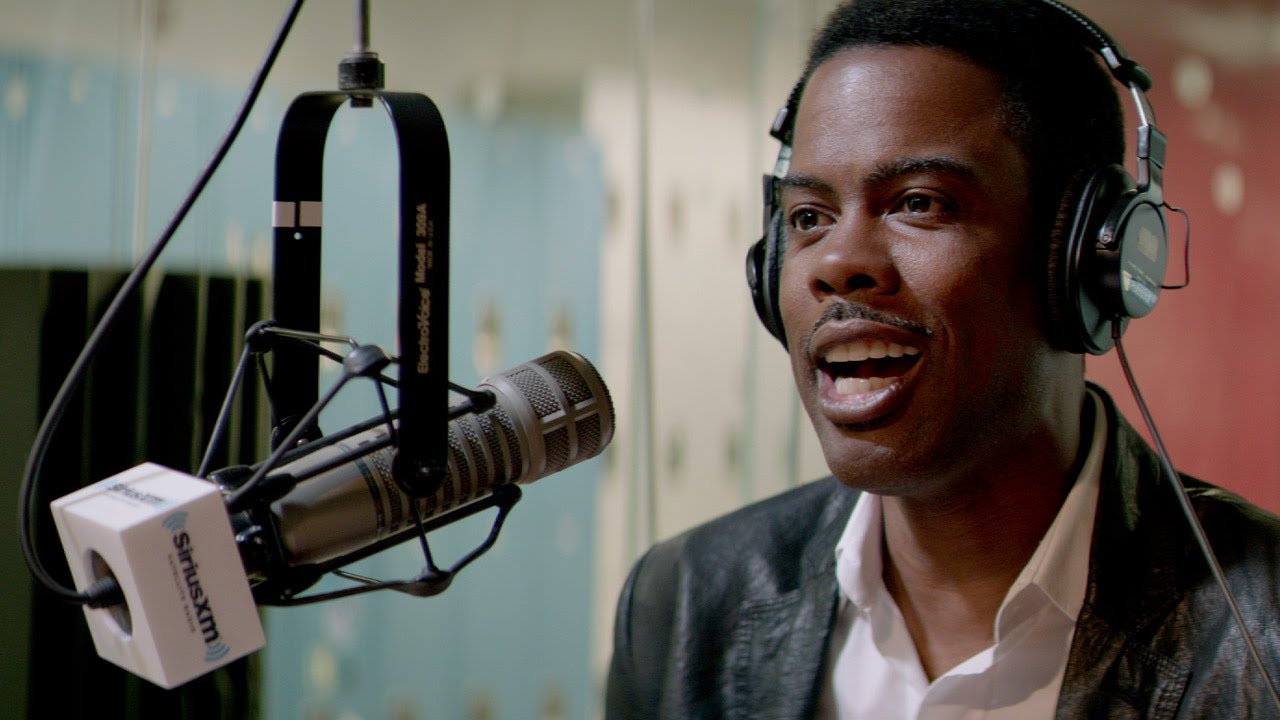
Top Five (Chris Rock, 2014)
Just one of the most enjoyable movies I've seen in a while. Pitch-perfect pacing and a palpable sense of place.
06.27
The Hunger Games: Mockingjay -- Part 1 (Francis Lawrence, 2014)
Feels less like the first half of a conclusion to a film trilogy than a 2-hour pilot for a TV series, but it's a show I'd want to keep watching. Catching Fire exceeded all of my expectations and while this wasn't on that level it still has a lot of stuff that makes it stand out from the young adult entertainment fold. There's somewhat more than surface-deep political ambiguity but its real appeal is its tendency toward quiet reflective moments in natural surroundings, for which I guess it sacrifices action. I'm sure Part 2 will have a fair amount of that.
The Set-Up (Robert Wise, 1949)
The real-time approach means a huge proportion of the film is set aside for the climactic boxing match, which is good for showcasing Ryan's dedication to his craft but bad if the viewer, like me, doesn't have much interest in boxing. That said I can't say I wasn't entertained throughout. The ending is an insufficient payoff; I'm not sure whether it's good or bad that it avoids a more predictable but oomphier resolution.
06.26
Dope (Rick Famuyiwa, 2015) (theatrical)
One of the reasons I love noir is that stories about people thrust into disagreeable circumstances and how they deal with them are so appealing to me, and this is one of the most triumphant takes on that format I've seen. Not to mention it's fucking funny. There is a degree of Famuyiwa having his cake and eating it too, keeping one foot in social realism while including so many farfetched details in the plot, but the latter contribute to the feeling the film has of a fable without a clearly defined moral. Definitely one of the better films of recent years and my favorite of 2015 behind Inside Out, another story about growing up.
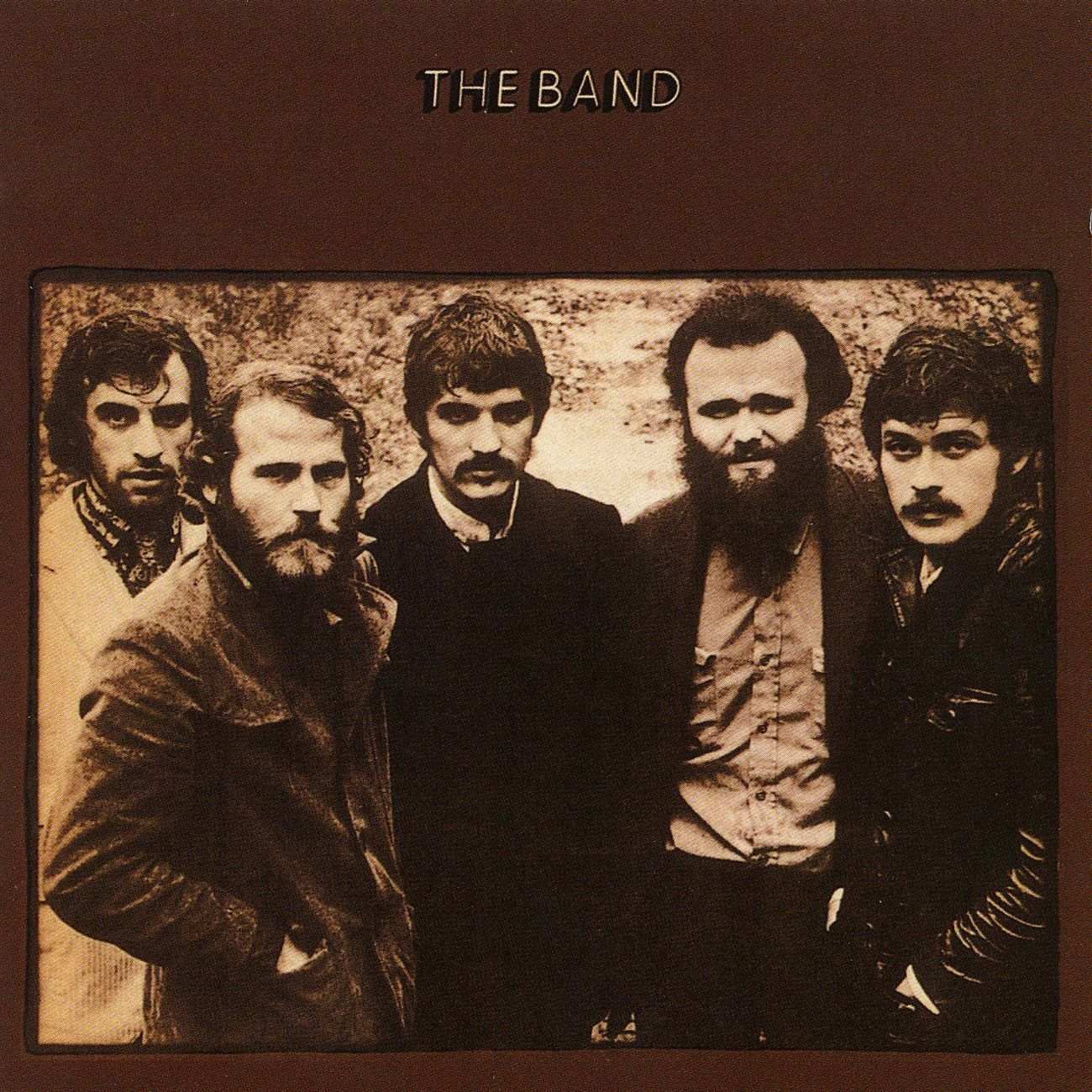
The Band (The Band, 1969)
Gorgeous, evocative music. My Dad's right, the mix kind of sucks, but if I let myself get lost in the lyrics and instruments it's a powerfully nostalgic experience. There aren't any weak tracks but The Night They Drove Old Dixie Down, Whispering Pines, and Jawbone are especially moving.
Otis Blue (Otis Redding, 1965)
The opener Ole Man Trouble is one of the best songs I've heard, which is maybe why the rest of the album had trouble quite living up to my expectations. Not that there aren't a lot of great songs and even a lot of great moments on the less impressive ones. Maybe if it'd all been original compositions it would've clicked more with me.
06.25
Hollow Triumph (Steve Sekely, 1948)
Henreid grievously miscasts himself and it's pretty weirdly paced but it redeems itself with an ending dripping with delicious tragic irony. Joan Bennett's portrayal of a gal who toes the line of a few tropes but doesn't fit neatly into any category is the other highlight.
Slow West (John Maclean, 2015)
Another movie with a lot of pacing issues that more than redeems itself with a great dark ending. A lot of the hipster lyricism actually works pretty well and whatever my beef with Maclean's unwillingness to hold a shot in a movie called Slow West he has a nice eye for landscape; I wouldn't have guessed it was shot in New Zealand.
Subscribe to:
Posts (Atom)


_NRFPT_01.jpg)